Chapter III.4 · Structure
How Strong Leaders Keep Their Best Employees When Personalities Differ
Strong employees rarely leave for salary alone. They leave managers who confuse comfort with talent. The five reasons top performers stay, and how to separate ego from value.
Key takeaways
- Strong employees are not always easy to manage: they challenge decisions and expose weaknesses. Weak managers isolate them; strong leaders keep them close.
- Their departure rarely registers as a management failure. The team just becomes quieter, smoother and less capable.
- Top performers stay for five reasons: meaningful responsibility, fair recognition, protection from unnecessary friction, continued growth, and work that matters.
- Leaders must separate the discomfort of challenge, which is valuable, from genuine dysfunction, which must be addressed.
- Salary and conditions prevent dissatisfaction. They do not create commitment.
On this page
A senior manager gradually isolated one of the strongest people on his team. The employee was technically excellent, respected by colleagues and trusted in difficult situations. But his independence, his difficult questions and his refusal to play internal politics made the relationship uncomfortable.
Over time, meetings happened without him. Information stopped reaching him. Recognition disappeared. The manager believed he was managing a difficult personality. In reality, El Hassane Ben Ahmed writes in Chapter III.4 of The Lessons That Stayed, he was managing his own discomfort at the expense of the team’s capability.
When the employee left, the team lost its most reliable source of honest assessment. His replacement was easier to work with, and the team became quieter and smoother. It also became less capable of the work that had once made it worth leading.
“You do not keep your best employees by liking them. You keep them by respecting what they bring. A weak manager keeps loyal people close. A strong leader keeps capable people close, even when personalities differ.”
Comfort confused with competence
Strong employees are not always easy to manage. Some challenge decisions. Some expose weaknesses in plans. Some refuse to pretend a bad idea is a good one. These are often exactly the qualities that make them valuable, and exactly the qualities that make an insecure manager uncomfortable.
Why strong employees leave too early
The manager who marginalises independence
Research on organisational citizenship behaviour, building on Dennis Organ’s work, shows that the employees most likely to use independent judgement, challenge decisions and flag risks early are also the most likely to leave environments where those behaviours are not valued. They have options, and they use them.
The invisible loss
When a strong employee leaves because their manager found them uncomfortable, it rarely registers as a management failure. The exit interview mentions a better opportunity. The replacement is pleasant. The cost shows up much later, in risks nobody flagged and decisions nobody challenged.
What strong employees are really assessing
People with genuine capability and genuine alternatives are not primarily weighing salary when they decide whether to stay. They are weighing whether the role still deserves their best work.
The five reasons strong employees stay
The chapter identifies five reasons.
1. Meaningful responsibility
Strong employees stay when they are trusted with work that matters and that draws on their real capabilities, not only the easily managed part of them. A strong employee given steadily smaller scope does not experience it as protection or stability. They experience it as a message.
2. Fair recognition
Their contribution is recognised in proportion to its actual value, not its political convenience. Recognition that flows to the most agreeable person rather than the most valuable one is noticed immediately.
3. Protection from unnecessary friction
The leader actively manages the political environment so that strong contributors are not drained by friction that does nothing for the work: pointless approvals, internal turf wars, meetings that exist to perform alignment.
4. Continued growth
The role keeps building capability. When it stops, the best people start looking, often without telling anyone.
5. Work that matters
The deepest reason: a sense that their work contributes to something larger than maintaining existing arrangements.
Separating ego from value
The essential discipline, according to the chapter, is distinguishing two very different kinds of discomfort.
The discomfort of challenge. Someone questions your plan, points out a risk you missed, or disagrees in public. This feels unpleasant and is almost always valuable.
The discomfort of genuine dysfunction. Behaviour that is consistently disrespectful, communication that undermines rather than challenges, or working patterns that impose unreasonable costs on colleagues. This needs to be addressed directly, however talented the person is.
The test: if the same words came from someone you liked, would you still be uncomfortable? If not, the problem is probably your ego, not their behaviour.
What leaders lose
An organisation that keeps only comfortable contributors is not building a team. It is building an audience. Jim Collins’s research on companies that sustained exceptional performance found that their leaders combined personal humility with real professional rigour, including the willingness to have uncomfortable conversations and to hear uncomfortable truths.
A practical checklist for leaders
- List your three strongest people. When did each last take on something new and challenging?
- Is their recognition proportionate to their contribution, or to how easy they are to work with?
- What friction are they absorbing that you could remove this month?
- When one of them last disagreed with you, how did you respond, and what did others learn from it?
- If one of them resigned tomorrow, would you be surprised? If so, you probably do not know what they are assessing.
The manager who meant well
The manager at the beginning of the chapter was capable. He did not set out to lose his best person. He simply let comfort make the decision.
“A weak manager keeps loyal people close. A strong leader keeps capable people close, even when personalities differ. That distinction shapes the future of organisations far more than many leaders realise.”
Frequently asked questions
Why do good employees leave?
Strong employees with real alternatives rarely leave over salary alone. They leave when their scope shrinks, their contribution is not recognised fairly, they are drained by unnecessary friction, they stop growing, or their work no longer feels meaningful. Often the trigger is a manager who finds their independence uncomfortable.
How do I manage a high performer who challenges me?
Treat the challenge as information. Ask whether the discomfort comes from being questioned, or from behaviour that is genuinely disrespectful or harmful. The first is valuable; the second should be addressed directly.
What makes top performers stay?
Responsibility that uses their real capabilities, recognition in proportion to their contribution, a leader who shields them from pointless politics, continued development, and a sense that their work contributes to something larger.
Is it worth keeping a difficult but talented employee?
If the difficulty is independent thinking and honest challenge, almost always. If it is consistent disrespect or behaviour that imposes unreasonable costs on colleagues, it needs to be addressed, however talented the person is.
Sources
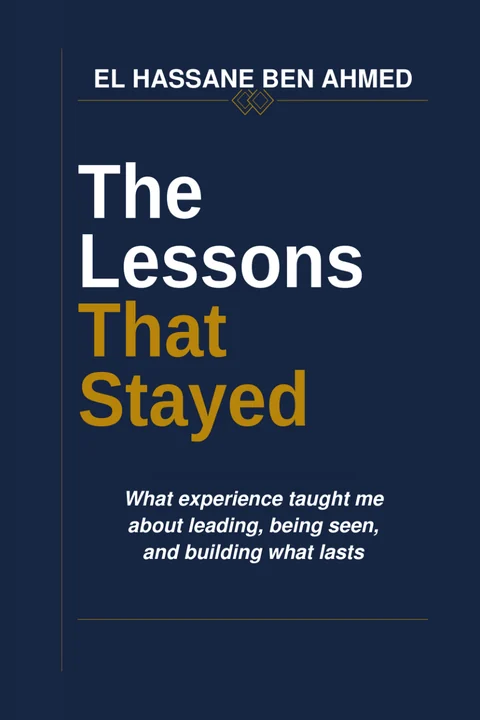
This essay is adapted from Chapter III.4 of The Lessons That Stayed by El Hassane Ben Ahmed (2026). Quotations are from the book.
- Drucker, P.F. (1967) The Effective Executive
- Herzberg, F. (1959) The Motivation to Work
- Organ, D.W. (1988) Organizational Citizenship Behavior
- McGregor, D. (1960) The Human Side of Enterprise
- Catmull, E. (2014) Creativity, Inc.
- Collins, J. (2001) Good to Great